
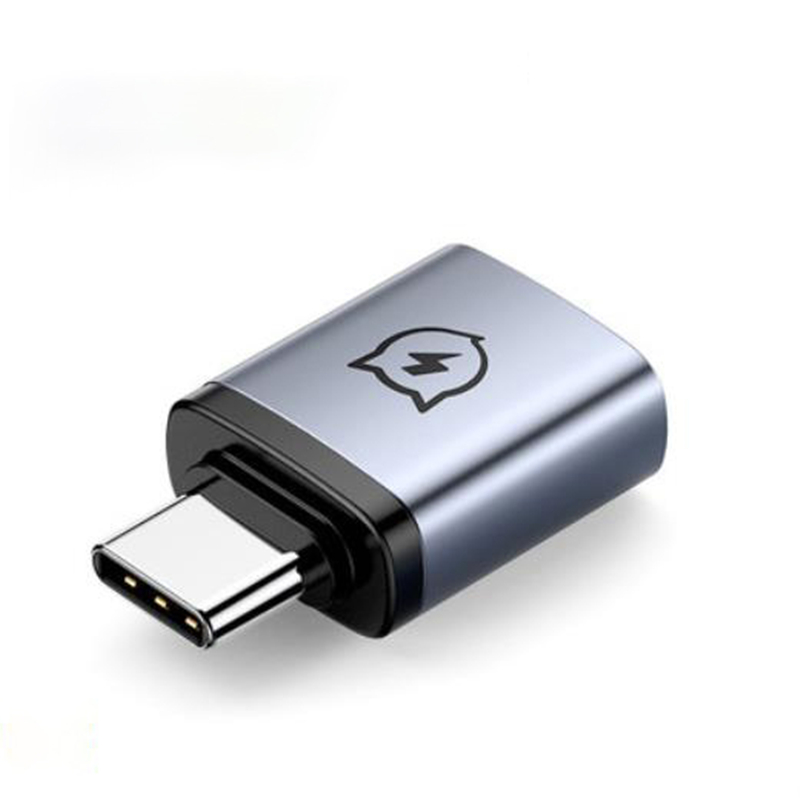
In today’s fast-evolving technological landscape, connectivity solutions play a pivotal role in determining the efficiency and convenience of electronic devices. One such transformative development gaining widespread adoption is the Type C to Type C cable. This connection standard is rapidly becoming the benchmark for fast, reliable, and versatile data transfer and power delivery across various devices, including smartphones, laptops, tablets, and peripherals.
### The Rise of Type C to Type C Connectivity
USB Type C has revolutionized the way devices communicate by offering a universal connector that eliminates the hassle of multiple cables and adapters. Unlike its predecessors, Type C supports reversible plug orientation, greater power throughput, and enhanced data transfer speeds, making it a superior choice for modern electronic equipment.
Type C to Type C cables specifically are designed to connect two devices both featuring USB Type C ports. This eliminates compatibility issues and enhances performance, which is particularly important as consumers demand faster charging times and more efficient data exchange without compromising device safety or integrity.
### Enhancing Efficiency with Cutting-Edge Components
Central to the success of Type C to Type C technology is the use of specialized, high-quality components engineered to meet rigorous performance standards. These components are essential in ensuring signal integrity, power management, and durability, especially given the increasing power requirements and data rates.
Among these vital components are indicator lights that provide users with real-time status updates on charging and data transfer activities. These small yet crucial elements help users monitor operational states intuitively, reducing guesswork and improving overall user experience.
Self-reset buttons and self-locking buttons incorporated into charging stations or hubs featuring Type C ports facilitate seamless user interaction, allowing devices to maintain operational modes or reset connections without manual intervention. Such thoughtful design elements contribute significantly to the ease of use and reliability of contemporary connectivity solutions.
Illuminated buttons and knobs also feature prominently in user interfaces associated with charging docks and peripherals. They enhance visibility and usability in low-light conditions, thereby increasing accessibility and user satisfaction.
### Versatile Application Across Industries
The adoption of Type C to Type C cables transcends consumer electronics, finding critical applications in medical devices, industrial automation, and automotive sectors. Devices in these fields often require robust, reliable connections to function optimally under demanding conditions.
Key buttons and Piezo switches integrated into control panels enable precise, responsive operation vital in high-stakes environments. Similarly, touch switches provide sleek, modern interfaces that replace traditional mechanical switches, embodying the shift towards smart, streamlined design in device controls.
Emergency stop buttons and buzzers incorporated in safety systems complement the connectivity infrastructure, ensuring rapid response mechanisms are in place. These components, while distinct from the Type C connectors themselves, demonstrate the comprehensive approach companies take in designing holistic solutions that encompass both connectivity and control.
### Integrating Connectivity with Intelligent Design
USB connectors, particularly Type C variants, serve as the backbone for many contemporary devices. Their integration with small relays and other control elements showcases a synergy between power and signal management, enabling devices to deliver peak performance without compromising safety.
The emphasis on well-designed, durable products ensures that devices withstand frequent use and environmental pressures, reducing downtime and maintenance costs. This is particularly critical as users increasingly depend on their electronic tools for both professional and personal activities.
### Future Prospects and Industry Impact
As the digital ecosystem continues to expand, the demand for efficient, user-friendly, and versatile connection solutions like Type C to Type C cables is expected to grow exponentially. Innovations in component design, such as more responsive buttons, enhanced indicator systems, and improved materials for USB connectors, will further elevate the user experience.
Moreover, the integration of advanced safety features and ergonomic design elements will make these components indispensable in next-generation devices. Companies focusing on comprehensive product portfolios, including indicator lights, various button types, switches, and connectors, are poised to lead the charge in delivering integrated solutions for the connectivity challenges of tomorrow.
### Conclusion
The advancement of Type C to Type C connectivity marks a significant leap forward in the domain of electronic device interconnectivity. By combining high-quality cables with intelligently designed components—ranging from illuminated buttons and indicator lights to specialized switches and connectors—manufacturers are addressing the dual needs of performance and user convenience.
As this connectivity standard becomes mainstream, the collaboration between innovative product design and cutting-edge technology will continue to empower users with faster, safer, and more intuitive device interactions. This evolution not only simplifies the user experience but also paves the way for smarter, more interconnected electronic ecosystems in the years ahead.