
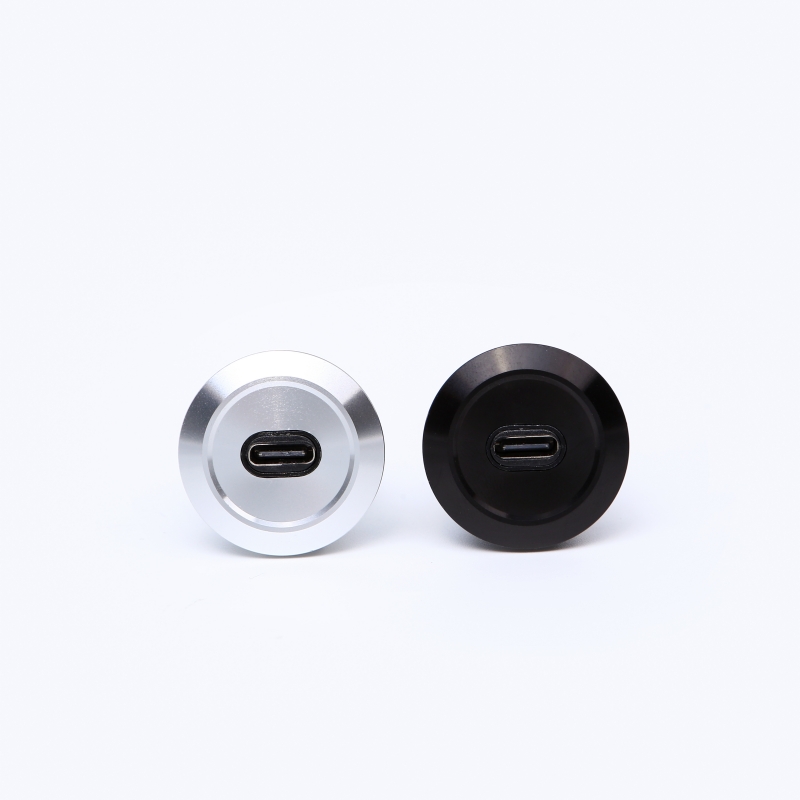
In the constantly evolving world of smart home technology and user-centric design, the humble doorbell push button switch continues to play a pivotal role in enhancing convenience and security. As more homeowners seek reliable, durable, and aesthetically pleasing solutions, the demand for advanced push button switches has surged, prompting manufacturers to innovate rapidly in this sector.
At the forefront of this innovation are companies specializing in a wide range of control components including indicator lights, self-reset buttons, self-locking buttons, illuminated buttons, knobs, key buttons, Piezo switches, touch switches, emergency stop buttons, buzzers, USB connectors, and small relays. These components form the backbone of many electronic and household devices, setting standards in reliability, functionality, and design.
### The Evolving Doorbell Push Button Switch
A doorbell push button switch, while simple in concept, serves as the critical initiating device in a home’s welcoming and security system. Traditionally, doorbell switches were basic mechanical buttons that connected or disconnected circuits when pressed. However, modern innovations have transformed these devices into multifunctional tools that incorporate technology for enhanced performance.
Today's doorbell push button switches are designed with features such as waterproofing, backlit illumination, tactile feedback, and compatibility with smart systems. This shifts the doorbell from a mere mechanical device to an integral part of a home’s IoT (Internet of Things) ecosystem.
### Key Features and Technological Advancements
1. **Durability and Weather Resistance:** Outdoor use demands that doorbell switches be robust, capable of withstanding rain, dust, and extreme temperatures. Modern manufacturing incorporates high-quality materials and protective coatings to extend the lifespan of these switches.
2. **Illumination:** Illuminated buttons facilitate user interaction in low-light conditions. The inclusion of LED components or electroluminescent lighting not only improves usability but also adds a contemporary aesthetic appeal to the product.
3. **Tactile and Piezo Switch Technology:** Incorporating Piezo switches and touch-sensitive technology offers a silent, durable alternative to mechanical buttons. Piezo switches are particularly advantageous due to their longevity and resistance to mechanical wear.
4. **Self-Reset and Self-Locking Mechanisms:** These functionalities enhance the versatility of push button switches. Self-reset buttons automatically return to their default state after activation, ensuring readiness for the next use. Self-locking buttons maintain their position when pressed, suitable for applications requiring sustained activation.
5. **Integration Capabilities:** Some push button switches are designed to interface with emergency stop systems, alarms, and other safety devices, expanding their applicability beyond just doorbells.
### Company’s Comprehensive Product Range
The company excelling in this sector offers a comprehensive portfolio of components that complement the doorbell push button switch’s function. Their offerings include:
- **Indicator Lights:** Vital for signaling and status indication on control panels and devices.
- **Self-Reset and Self-Locking Buttons:** Providing flexible control options for various user interfaces.
- **Illuminated Buttons:** Enhancing visibility and user experience.
- **Knobs and Key Buttons:** Allowing customizable control settings.
- **Piezo and Touch Switches:** Offering advanced, durable, and silent operational alternatives.
- **Emergency Stop Buttons:** Crucial for safety-critical applications.
- **Buzzers:** Providing audible feedback or alerts.
- **USB Connectors and Small Relays:** Supporting broader electronic connectivity and control applications.
This wide range allows for synergistic use in integrated systems, ensuring that each component meets high standards of performance and reliability.
### Application in Modern Smart Homes
The integration of advanced doorbell push button switches with smart home platforms transforms how occupants interact with their spaces. Beyond signaling a visitor’s presence, these switches can trigger a cascade of automated events—such as turning on exterior lights, recording video footage from door cameras, sending notifications to smartphones, or interfacing with smart locks to enable remote access.
Modern doorbell push buttons equipped with illumination and touch-sensitive technologies also enhance accessibility for users with different needs, ensuring that everyone can safely and easily use home entry systems.
### Industry Impact and Future Trends
The heightened focus on user experience, safety, and integration with digital ecosystems drives ongoing research and development in push button switch technology. Manufacturers are exploring eco-friendly materials, improving energy efficiency through low-power LEDs, and introducing customizable designs to match diverse architectural styles.
Furthermore, the expansion of voice-activated assistants and AI-powered home automation platforms is likely to introduce new forms of interaction, where physical buttons coexist with gesture controls and voice commands, offering an unprecedented level of convenience and security.
### Conclusion
The doorbell push button switch, often overlooked, stands as a critical component in modern home technology architecture. Backed by a company whose extensive catalog includes everything from indicator lights to piezo and touch switches, these devices exemplify the blend of simplicity and sophistication required in today’s connected world.
As smart homes become ubiquitous, the role of reliable, innovative push button switches will only grow, enhancing everyday life through improved functionality, safety, and integration. With continuous advancements and commitment to quality, these components ensure that when visitors press the doorbell, a seamless and welcoming experience awaits inside.